
OCTOBER · 2026 · Edition 2
“Clash Detection: From Model Coordination to Project Control”
Building Information Modeling (BIM) originated as a visual/modeling aid to design, but the real advantage of BIM is realized when conflicting elements can be identified and fixed before actual construction is started.
Clash detection has evolved from a modeling environment to a means to control risks, costs, and constructibility because of the use of BIM.
Early identification of conflicts is critical for successful delivery of construction projects, as they contain many different systems or parties trying to work together in a very limited space on a very limited schedule.
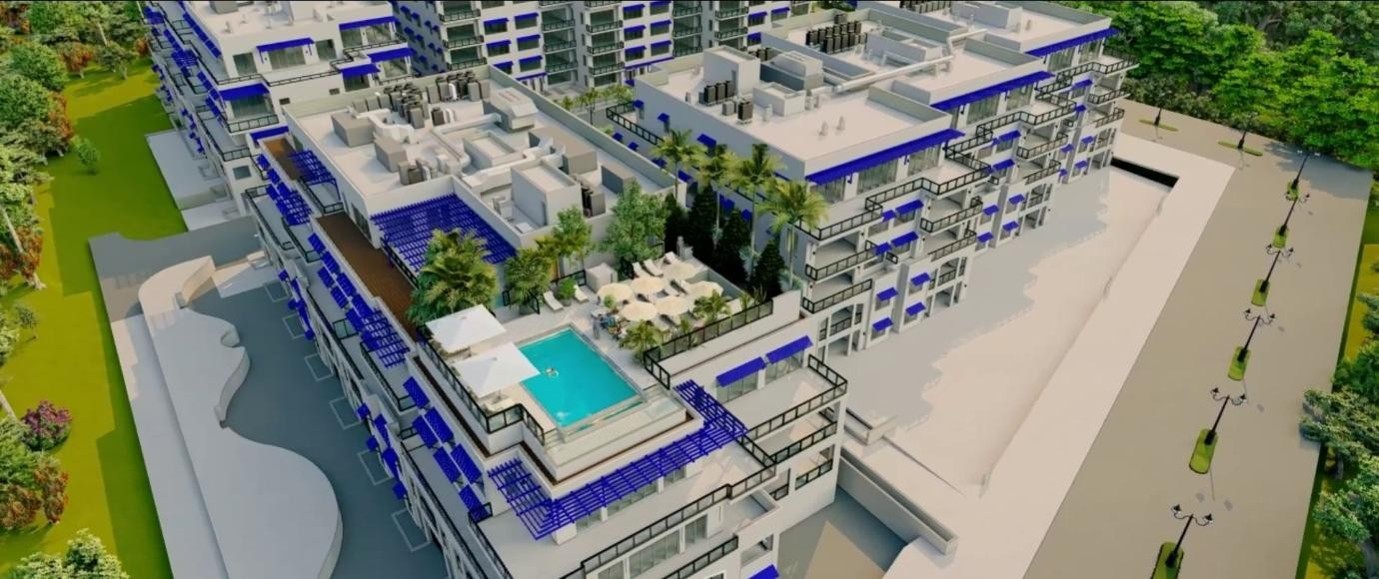
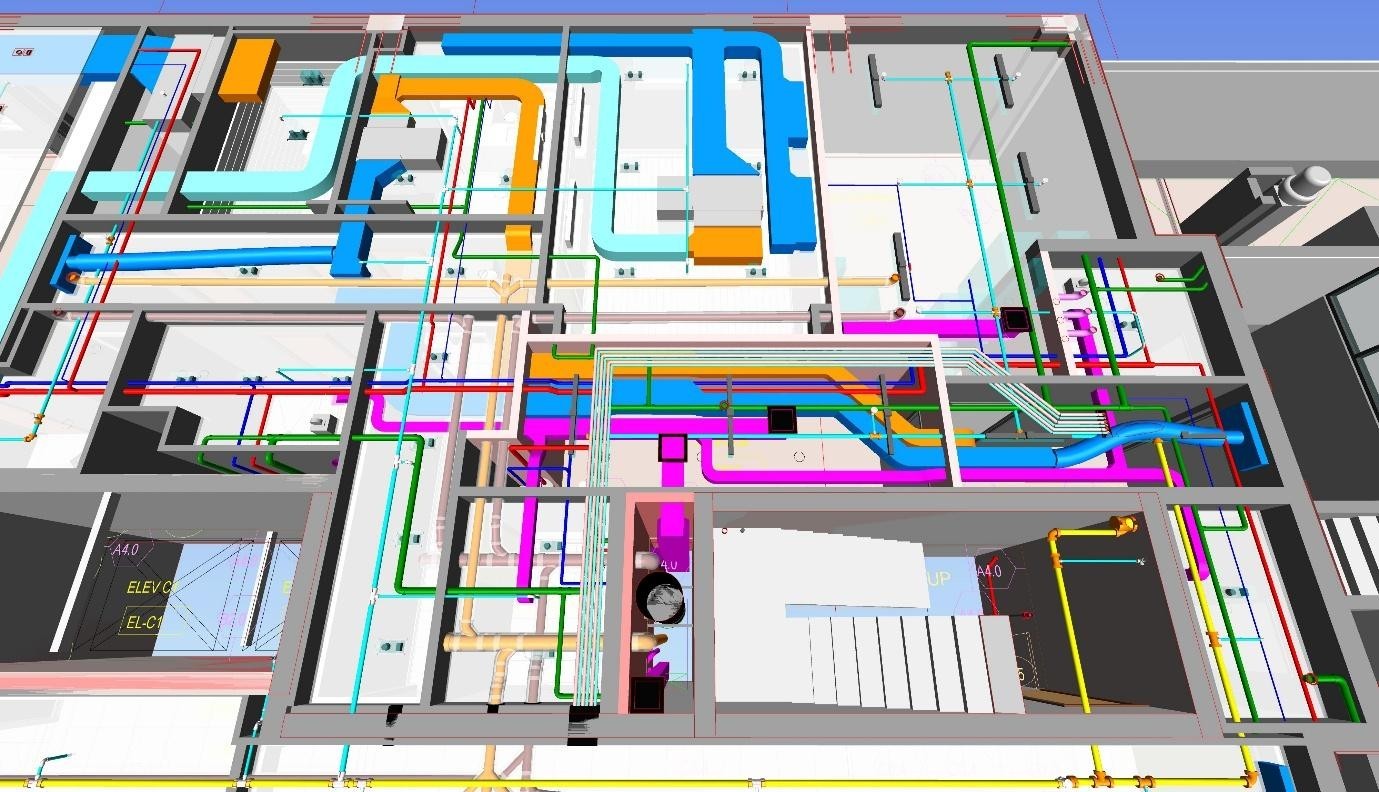
Clash Detection is a defined method of performing BIM (Building Information Modeling) to determine where the building system components conflict with one another in an integrated digital model.
Conflicts can include architectural, structural, or MEP (Mechanical, Electrical, and Plumbing) systems not working well together, and if they aren’t found and resolved prior to the start of construction, significant delays, rework, and increased costs may occur.
Through clash detection, conflicts between building systems can be identified and resolved during the design phase, which helps to ensure proper system integration prior to beginning construction activities.
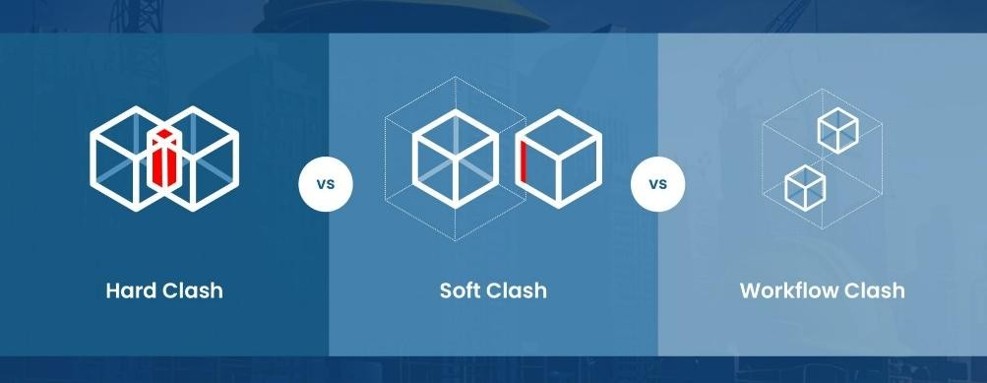
Clash Detection is no longer limited to uncovering physical clashes, but there are different types of clashes classified for effective clash detection.
• These occur when two elements share the same physical space.
• For example, a duct crossing a structural beam.
• These come up when the required clearance for installation, maintenance, or safety is not observed.
• Example: Insufficient clearances around HVAC equipment.
• These are because of conflicts on construction sequencing/scheduling.
• Example: scheduling several trades to work simultaneously in the same location.
Clash Detection has a technological workflow.
Model Federation - Architectural, structural, and MEP models are integrated into a single coordinated environment.
Rule Definition- Clash rules are defined on a system-to-system basis (duct vs. beam, pipe vs. wall, etc.).
Automated Detection- For instance, Navisworks Manage has tools to analyze a model and identify conflicts among thousands of elements.
Clash reporting- Detected clashes are reported with location, element information, severity, and images.
Coordination & Resolution- A clash is reviewed jointly and resolved through design changes before construction commences.
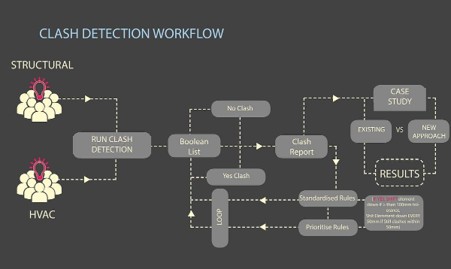
Specialized BIM tools for effective clash detection include:
Navisworks Manage
Autodesk BIM 360
Bluebeam Revu
These platforms allow teams to detect, visualize, document, and track conflicts in a coordinate environment.
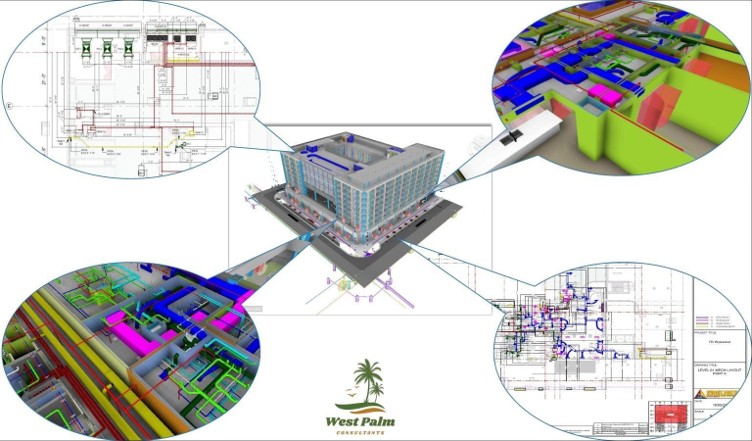
Clash Detection plays a important role in improving project outcome by:
Reducing rework and waste of materials
Mitigating construction delays
Interdisciplinary coordination
Overall quality of the build and safety
Based on industry studies, the specific case study indicates a significant reduction of rework costs and predict-ability of schedules through early clash resolution.
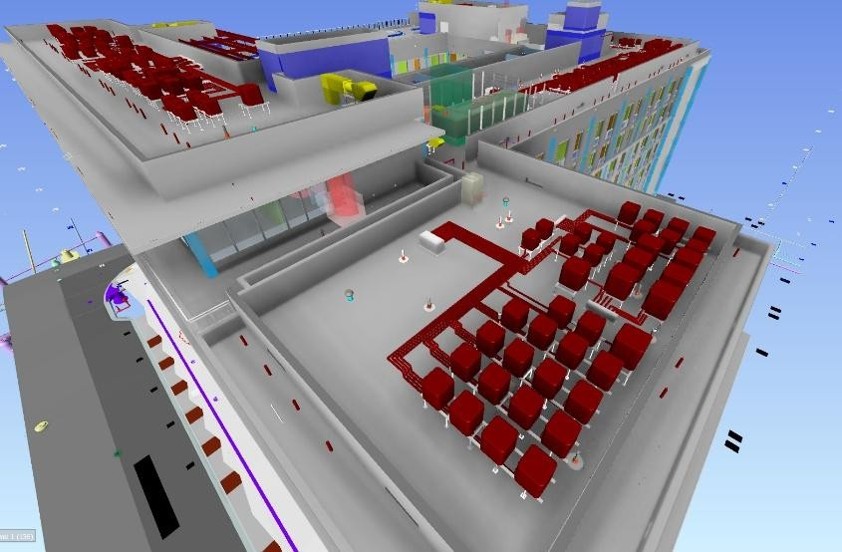
At West Palm Consultants Private Limited, clash detection is not a single task but a wellorganized coordination process.
The approach includes:
Federated multi-disciplinary modeling.
Defined Clash detection protocols.
Continuous model validation and quality assurance (QA).
Collaborative resolution workflows.
This ensures not only identification of conflicts but also their systematic resolution before the construction stage.
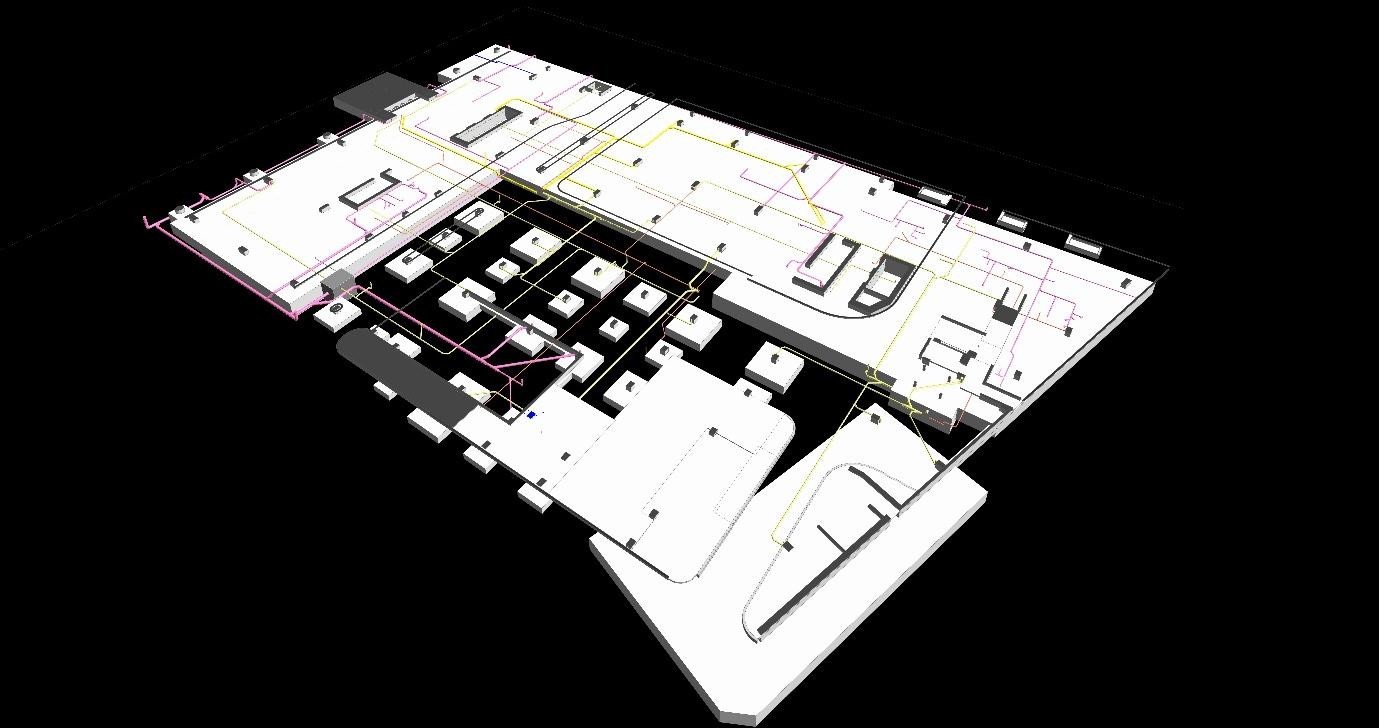
Connect with our team to implement BIM solutions with precision, structure, and intent.
One thoughtful briefing each month — market intelligence, advisory perspectives, and the questions our clients are asking. No noise.
Join 12,000+ executives. Unsubscribe anytime.